There is no guaranteed closing period for every Upstate New York purchase. Financing, inspections, title work, property issues, attorney coordination and the contract all affect the timeline. Ask the lender and attorneys for a realistic target for your transaction rather than treating “30 days” or “60 days” as a promise.
Which milestones matter?
Track document delivery, inspection decisions, appraisal, underwriting conditions, title review, insurance, final lender clearance, closing disclosures and scheduling. An accepted offer and a fully signed contract are different milestones. Ask your attorney which dates create obligations and what notices are required.
What can slow a rural purchase?
Well or septic findings, required repairs, surveys, access questions and missing permits can add work. In an older village house, condition or title questions may also need specialist attention. Ask what remains unresolved rather than asking only for the closing date again.
What can I do to keep things moving?
Return lender requests promptly, keep documents organized and discuss credit, employment or financial changes with the lender before acting. Obtain insurance early. Confirm wire instructions by a trusted, independently verified phone number rather than relying on an email change.
When should I arrange the move?
Coordinate possession and closing timing with the attorneys. Avoid making an expensive, inflexible moving plan based on a target date alone. Ask what happens if closing moves and whether any temporary occupancy agreement would be needed.
Start with the buyer guide or seller guide. If you are relocating, read the house-hunting trip guide.
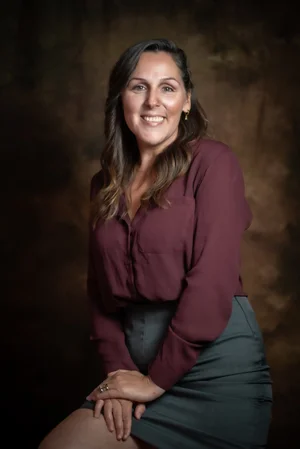
By Carrie Smith, NYS Licensed Real Estate Salesperson, NY License #10401396793, Krutz Properties LLC. I live in Fort Plain and help buyers and sellers across Montgomery, Fulton, Herkimer and Schoharie counties and nearby communities. Ask Carrie about your next step.
Source: CFPB Closing Disclosure explainer. Reviewed October 26, 2026. General educational information. Confirm current requirements for your property and circumstances with the appropriate lender, attorney, local authority or qualified professional.